
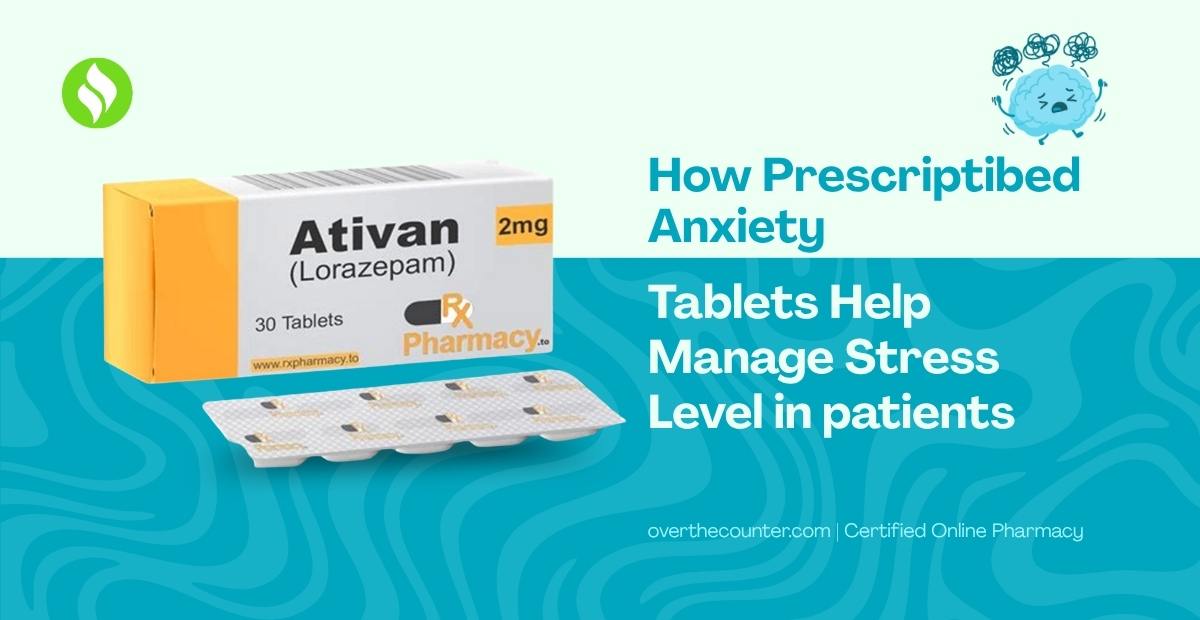
How Prescribed Anxiety Tablets Help Manage Stress Levels in Patients
Do you constantly overthink or often feel stressed? You are not alone. Stress doesn’t always look like panic; it can feel like constant overthinking, fatigue, poor sleep, or a mind that simply won’t slow down. Many people live with these symptoms every day, often ignoring them until they begin to affect work, relationships, and overall well-being.
Anxiety is no longer rare. It has quietly become one of the most common health concerns worldwide. The WHO reports a constant rise in anxiety disorders, driven by modern lifestyle pressures, emotional stress, and increasing mental health challenges.
In search of relief, people often look for the best anxiety tablet for stress relief, but anxiety is not something to self-medicate blindly.
In this guide, let’s understand how to manage stress with medication, when it is needed, its benefits and potential risks, and how it supports long-term stress management as part of a comprehensive care approach.
Understanding Stress and Anxiety
Stress and anxiety may feel similar to some people, but they are not the same.
Stress usually results from an external trigger. For example, deadlines, financial pressure, or health concerns can cause stress. Once the situation resolves, stress often reduces.
Anxiety, on the other hand, can persist even without a clear cause. It often becomes chronic and affects mental and physical health.
Common Causes
- Work pressure and deadlines
- Relationship issues
- Chronic illness
- Financial instability
- Genetic and hormonal factors
Symptoms You Should Not Ignore
- Constant restlessness
- Rapid heartbeat
- Difficulty concentrating
- Sleep disturbances
- Irritability and fatigue
If these symptoms continue for weeks, you should not ignore them. Early intervention can prevent serious complications.
What Are Prescribed Anxiety Tablets?
Prescribed anxiety tablets are medications that doctors recommend to manage symptoms of anxiety disorders. These medications target brain chemistry and help restore balance.
Your doctors prescribe them based on:
- Severity of symptoms
- Medical history
- Lifestyle factors
- Other ongoing treatments
With your doctor's prescription, you can buy anxiety medicine online. Doctors do not recommend self-medication because incorrect use can worsen symptoms or cause side effects.
How Anxiety Tablets Work in the Body
The brain controls your mood, thoughts, and stress response using chemical messengers called neurotransmitters. When these chemicals are imbalanced, it may cause symptoms like excessive worry, restlessness, and difficulty sleeping, which are common signs of anxiety.
Two important neurotransmitters involved in anxiety are:
Serotonin helps regulate mood, emotions, and overall sense of well-being. Low levels are often linked with anxiety, low mood, and irritability.
GABA (Gamma-Aminobutyric Acid) works as a natural calming agent in the brain. It slows down nerve activity and helps reduce feelings of stress and overexcitement.
Time to See Results
Different anxiety medicines act at different speeds:
Short-term relief medicines may start working within a few hours and are usually prescribed for immediate symptom control.
Long-term medicines take 2 to 6 weeks to show full effects because they gradually adjust brain chemistry.
Doctors carefully decide which type of medication to prescribe based on your symptoms, whether you need quick relief or long-term management. You can order medicine for depression and anxiety online with your doctor's prescription.
Types of Prescribed Anxiety Medications
Doctors may prescribe different categories of medications depending on symptoms and severity.
SSRIs (Selective Serotonin Reuptake Inhibitors)
SSRIs are usually the first-line treatment for anxiety disorders. They work by increasing the levels of serotonin in the brain, which helps improve mood, reduce worry, and stabilize emotions over time.
Common SSRIs include:
- Sertraline
- Fluoxetine
- Escitalopram
- citalopram (Celexa)
- fluoxetine (Prozac)
- fluvoxamine (Luvox)
- paroxetine (Paxil)
- vilazodone (Viibryd)
These medicines usually take 2–6 weeks to show full effects and are suitable for long-term management.
SNRIs (Serotonin-Norepinephrine Reuptake Inhibitors)
SNRIs affect both serotonin and norepinephrine, which helps regulate mood, energy levels, and the body’s stress response.
Common SNRIs include:
- Venlafaxine
- Duloxetine
Doctors prescribe these when SSRIs are not fully effective or when patients also experience fatigue or low energy.
Benzodiazepines
Benzodiazepines provide quick relief from acute anxiety symptoms. They act on the brain to enhance calming signals and reduce overactivity.
Common benzodiazepines include:
- Ativan (Lorazepam)
- Alprazolam
- Diazepam
- alprazolam (Xanax)
- clonazepam (Klonopin)
For example, Ativan (lorazepam) works as a central nervous system depressant and helps treat anxiety, insomnia, and agitation. Doctors carefully decide the Ativan dosage for anxiety because these medicines carry risks of dependency and withdrawal if misused or stopped suddenly. You can also buy ativan online in USA with your doctor's prescription.
Benzodiazepines are usually prescribed for short-term use only.
Beta-Blockers
Beta-blockers do not directly treat anxiety but help control physical symptoms such as rapid heartbeat, trembling, and sweating.
Common beta-blockers include:
- acebutolol (Sectral)
- bisoprolol (Zebeta)
- propranolol (Inderal)
- metoprolol (Lopressor)
- sotalol (Betapace)
Doctors often prescribe them for situations like performance anxiety or stress-related physical symptoms.
Benefits of Anxiety Tablets in Stress Management
Always consult your doctor before taking or buying any stress medications online. The best anxiety tablet for stress relief can play an important role in managing stress and improving overall mental well-being.
- Reduce Excessive Worry: Anxiety tablets help calm overactive thought patterns. They reduce constant worrying, fear, and mental restlessness, and allow the mind to feel more stable and controlled.
- Improve Sleep Quality: Stress and anxiety often disturb sleep. These medicines help relax the mind and body, making it easier to fall asleep and maintain a healthy sleep cycle. Better sleep directly supports mental and physical recovery.
- Enhance Focus and Productivity: By reducing mental distractions and anxiety symptoms, patients can concentrate better. This improves daily functioning, decision-making, and overall productivity at work or in personal life.
- Stabilize Emotions: Anxiety can cause mood swings, irritability, and emotional imbalance. These medications help regulate emotional responses, making it easier to handle situations calmly and rationally.
- Support Long-Term Mental Health: Anxiety tablets can help restore balance in brain function. This allows patients to regain control over their thoughts, emotions, and daily routines.
Who Needs Anxiety Tablets?
Anxiety tablets are not recommended for everyone. Doctors usually recommend them when anxiety becomes persistent, intense, or starts interfering with daily life.
- People with Diagnosed Anxiety Disorders: Individuals diagnosed with conditions like Generalized Anxiety Disorder, Panic Disorder, or Social Anxiety Disorder may need medication to manage symptoms effectively.
- When Anxiety Affects Daily Life: If worry, fear, or stress starts impacting work, relationships, sleep, or routine activities, it may require medical treatment rather than just lifestyle changes.
- Severe Physical Symptoms of Anxiety: People experiencing symptoms like a racing heart, breathlessness, dizziness, muscle tension, or frequent panic attacks may benefit from prescribed medication.
- When Therapy Alone Is Not Enough: Many patients try counseling or lifestyle changes first. If symptoms do not improve or remain severe, doctors may add medication to the treatment plan.
- Co-existing Mental Health Conditions: Anxiety often occurs along with other conditions like depression. In such cases, medication helps manage both conditions together.
- Short-Term Crisis or Acute Stress: In situations like trauma, major life changes, or extreme stress, doctors may prescribe short-term medication to provide immediate relief and stabilise the patient.
Proper Usage and Dosage Guidelines
You should always follow medical advice while taking anxiety medication.
Key Guidelines
- Take medicine at the same time daily
- Follow the exact dosage prescribed by your doctor
- Do not skip doses frequently
- Do not increase or decrease the dose without your doctor's consultation
Missed Dose
If you miss a dose, take it as soon as you remember. Skip it if it is close to the next dose. Never double-dose.
Possible Side Effects and Risks
Anxiety tablets can be effective, but like all medications, they may cause side effects. The type and severity of side effects depend on the medicine, dosage, and an individual’s response to it.
Common Side Effects
These are usually mild and may improve as the body adjusts to the medication:
- Drowsiness- You might feel sleepy or less alert during the day
- Nausea- It may cause mild stomach discomfort or an urge to vomit
- Dizziness- Anxiety medications may make you feel lightheaded or have an imbalance
- Headache- Regular use of medicine for depression and anxiety may cause temporary pain or pressure in the head.
Serious Risks
In some cases, anxiety medications may have more significant risks, especially if not used as prescribed:
- Dependency- Certain medicines, particularly benzodiazepines, can lead to physical or psychological dependence if used for a long time
- Withdrawal Symptoms- Stopping medication suddenly may cause symptoms like anxiety rebound, irritability, sleep problems, or restlessness.
- Mood Changes - Some people may experience emotional changes, including increased irritability, low mood, or unusual behaviour.
Is Anxiety Medicine Safe for Long-Term Use?
This is one of the most common concerns of patients when they use anxiety medications. Some medications, such as SSRIs and SNRIs, are safe for long-term use under medical supervision. However, doctors recommend benzodiazepines only for short-term use due to dependency risks. Doctors regularly monitor patients and adjust treatment plans to ensure safety.
Questions to Ask Yourself and a Mental Health Professional
Before starting anxiety medication, it is important to think carefully about your needs, expectations, and treatment options. Asking the right questions can help you make informed and safe decisions.
Questions to Ask Yourself
- Is medication the best option for my anxiety problem?
- What non-drug treatments for anxiety might help?
- Do I have the time and commitment for therapies like CBT?
- What self-help strategies can support my recovery?
- Should I combine medication with therapy?
- Is anxiety the main issue, or could there be another cause?
Questions to Ask Your Doctor
- How will this medication help my anxiety?
- Is anxiety medicine safe for long-term use?
- Can I buy anxiety medicine online?
- What are the common side effects?
- Are there foods or drinks I should avoid?
- Will it interact with my current medications?
- What are the best anxiety tablets for stress relief?
- How to manage stress with medication?
- Will stopping the medication be difficult?
- Can symptoms return after stopping the medication?
Lifestyle Changes to Support Medication
Anxiety tablets help manage symptoms, but they work best when combined with healthy lifestyle habits. A balanced approach improves both short-term relief and long-term mental well-being.
1. Exercise Regularly
Physical activity helps reduce stress hormones like cortisol and releases endorphins, which improve mood. Regular exercise, such as walking, jogging, or cycling, can make you feel calmer and more in control.
2. Follow a Balanced Diet
Nutritious food supports brain health and stable energy levels. A diet rich in fruits, vegetables, whole grains, and proteins helps maintain proper brain function and can positively influence mood and anxiety levels. Also, consult your doctor if you are feeling anxiety or depression. Based on your symptoms, your doctor may recommend medication for Depression and anxiety online. Do not rely solely on medications; follow a balanced routine with them.
3. Sleep Well
Quality sleep is essential for mental health. Aim for 7–8 hours each night to allow the brain to rest and recover.
4. Practice Relaxation Techniques
Techniques like yoga, meditation, and deep breathing help calm the mind and reduce stress. These practices improve emotional control and help the body respond better to anxiety triggers.
5. Limit Caffeine and Alcohol
Caffeine can increase heart rate and make you feel more anxious, while alcohol can disturb sleep and mood balance. Reducing their intake helps keep anxiety symptoms under control.
Can You Buy Anxiety Medicine Online?
Many people look for options to buy anxiety medicine online for convenience, but it is important to be careful and informed before doing so.
- Prescription Requirement: Most anxiety medications are prescription-based. This means a qualified doctor must evaluate your symptoms and decide the right medicine and dosage for you.
- Risks of Self-Medication: Always buy anxiety medicine online with proper consultation. The wrong medication or dose may worsen symptoms, cause side effects, or interact negatively with other medicines you may be taking.
- Risk of Fake or Substandard Medicines: Not all verified online platforms may sell counterfeit or low-quality medicines. Always check the website when buying anxiety medicine online. These products may not work as intended and can seriously harm your health.
- Safe Approach: Always consult a certified doctor before buying medicine for depression and anxiety online. If you choose to buy Medicine for Depression and Anxiety online, use trusted and licensed pharmacies that require a valid prescription.
When to Seek Medical Help
You should consult a doctor immediately if you notice:
- Persistent anxiety symptoms
- Panic attacks
- Severe mood changes
- Suicidal thoughts
- Side effects affecting daily life
Key Takeaways
Anxiety tablets can improve the quality of life when you know how to manage stress with medication correctly. These medications may help you manage symptoms, stabilise mood, and restore daily functioning. However, always consult your doctor before taking any medications, because self-medication may cause many side effects. You should combine it with therapy, lifestyle changes, and regular medical supervision. If you experience ongoing stress or anxiety, do not ignore it. Seek professional help and take control of your mental health safely and effectively.
FAQs
Are anxiety tablets safe for long-term use?
Doctors consider some medicines safe for long-term use under supervision. They usually recommend short-term use for others to prevent dependency and side effects.
Do anxiety tablets cure stress permanently?
Anxiety tablets help manage symptoms effectively. They do not cure the root cause. You should combine medication with therapy and lifestyle improvements.
Can anxiety meds help stress levels?
Yes, anxiety medications help reduce stress levels by balancing brain chemicals like serotonin and GABA. They calm the mind, reduce excessive worry, and improve sleep. Doctors may prescribe anxiety medications to you based on your symptoms to ensure safe and effective stress management.
What happens if you take anti-anxiety meds without anxiety?
Taking anti-anxiety medication without a diagnosed condition can cause unnecessary side effects like drowsiness, dizziness, or mood changes. It may also lead to dependency in some cases. Always consult a doctor before using these medicines for any mental health concern.
What are the side effects of anti-anxiety meds?
Anti-anxiety medications may cause side effects such as drowsiness, nausea, dizziness, and headaches. Some medicines can lead to addiction, dependency or withdrawal symptoms if misused.